Why Is My Refrigerator Leaking Water in Cincinnati?
A refrigerator leaking water in Cincinnati almost always traces to a clogged defrost drain, a cracked drain pan, or a failed water inlet valve. Here is how to tell which one.
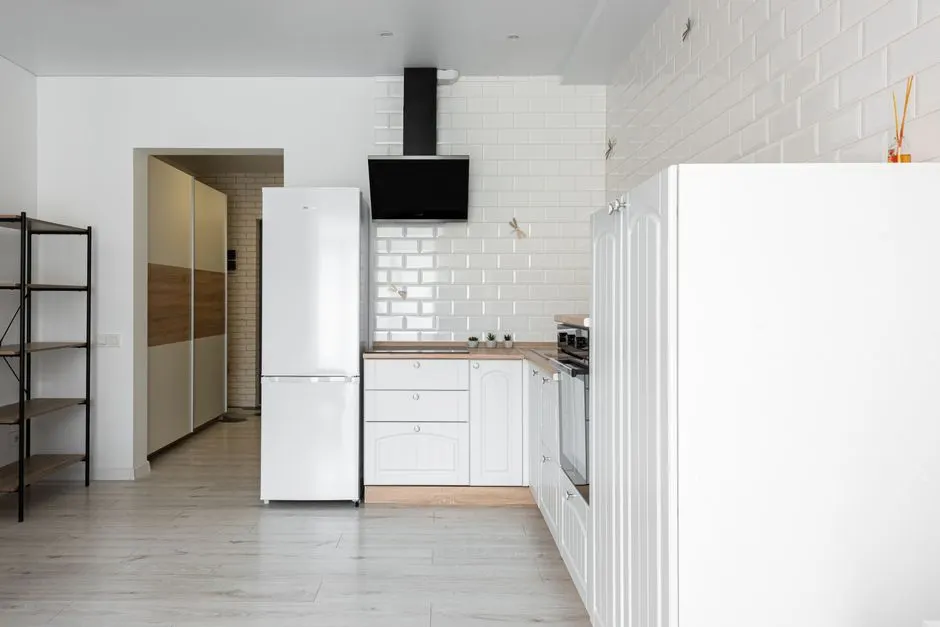
A refrigerator leaking water in Cincinnati is almost always caused by one of six things: a clogged defrost drain, a cracked or shifted drain pan, a failed water inlet valve, a loose water supply line, a blocked ice maker fill tube, or a door gasket that is letting warm humid air inside. The single most common cause in this region is a defrost drain clogged with food debris, dust, and mineral scale from our hard local water. The rest of this article walks through how to identify which one you have, what it costs to fix in 2026, and when it is worth calling a technician instead of reaching for a towel.
The Short Answer: Why Refrigerators Leak in Cincinnati
Why is my refrigerator leaking water in Cincinnati OH is a question with a plumbing answer more often than an electrical one. Your fridge produces water on purpose - the defrost cycle melts frost off the evaporator coil every 8 to 12 hours, and that meltwater has to drain somewhere. When the path is clear, it drips into a pan under the unit and evaporates. When the path is blocked, the water pools inside the fridge, freezes, then thaws and runs out onto your kitchen floor.
Refrigerator water leak troubleshooting in Cincinnati starts with one question: is the water clean and clear, or is it dark and sludgy? Clear water points to a supply-side problem - the inlet valve, the supply line, or the ice maker fill tube. Dark or cloudy water points to a drain-side problem - the defrost drain or the drain pan. That single distinction saves you 20 minutes of pulling the fridge out for no reason.
How Cincinnati Water and Weather Make Fridge Leaks Worse
Cincinnati sits on a limestone-heavy aquifer, and the municipal water that reaches most homes here runs hard - typically 7 to 10 grains per gallon of hardness. That calcium and magnesium leaves scale behind on every surface it touches, including the inside of your refrigerator's defrost drain tube. A drain that would take five years to clog in a softer-water city can clog in 18 to 24 months here.
Then there is the humidity. Cincinnati averages 65 to 70 percent relative humidity through summer, and July and August push dew points into the low 70s. Every time you open the fridge door, that humid air rushes in, condenses on the cold coil, and adds to the meltwater load. More meltwater means more chances for the drain to back up.
Older housing stock makes it worse. In the pre-1920 buildings common across Appliance Repair in Over-the-Rhine, kitchens were retrofitted into spaces that were never designed for a fridge with an ice maker and water dispenser. Supply lines get run long and loose, and the shutoff valve is often behind a cabinet you have to empty to reach. We see more supply-line failures in those buildings than anywhere else in the city.
Winter brings its own version. From November through March, indoor air gets dry, the defrost cycle runs less often, and small leaks can go unnoticed for weeks - until the water finds a seam in the flooring or drips into the basement ceiling below. If you are already dealing with water where it should not be, our team handles Appliance Repair across the Cincinnati area and can look at the fridge and any related appliance on the same visit.
The 6 Most Common Causes of a Fridge Leaking Water in Cincinnati Ohio
These are the six failures we find on roughly 9 out of 10 refrigerator leak calls in Cincinnati. They are listed in order of how often we see them.
1. Clogged Defrost Drain (Most Common)
The defrost drain is a quarter-inch tube at the back of the freezer compartment that carries meltwater down to the pan. Food crumbs, ice crystals, and mineral scale build up inside it. Water backs up, freezes into a sheet on the freezer floor, then melts during the next cycle and pours out the front door.
Signs: ice on the freezer floor, water pooling at the front of the fridge, a fridge that seems to run longer than usual. A refrigerator defrost drain clog Cincinnati homeowners deal with most often clears with hot water and a length of flexible tubing - but if the clog is scale-based, it will come back within a few months unless the line is properly flushed.
2. Cracked or Misaligned Drain Pan
The drain pan sits at the bottom of the unit, under the compressor. It is usually plastic, and plastic gets brittle after 8 to 12 years of heat cycling. A hairline crack will drip a few ounces a day - enough to warp a hardwood floor over a season. A pan that has shifted off its rails will spill every drop the defrost cycle produces.
3. Failed Water Inlet Valve
The inlet valve opens and closes to let water into the ice maker and dispenser. When the solenoid inside fails, it can stick open and dribble continuously, or crack at the body and spray. This is the cause behind most cases of a refrigerator leaking water from bottom Cincinnati OH residents call us about, because the valve sits low on the back of the unit and the water runs straight down.
4. Loose or Split Water Supply Line
The supply line runs from a saddle valve or shutoff behind the fridge to the inlet valve. Braided stainless lines last 10 to 15 years; the older plastic tubing lasts 5 to 8 before it gets brittle. A pinhole in a plastic line can put a gallon of water on your floor overnight.
5. Blocked Ice Maker Fill Tube
The fill tube carries water from the inlet valve into the ice maker mold. If it freezes shut or gets scaled up, water backs up and drips down the back wall of the freezer. You will usually notice this one because the ice maker stops producing while the leak continues.
6. Worn Door Gasket
A gasket that no longer seals lets warm, humid Cincinnati air into the fridge. The coil frosts heavier, the defrost cycle produces more water, and the drain gets overwhelmed. Run the dollar-bill test: close a bill in the door and pull. If it slides out with no resistance, the gasket is done.
How to Tell Where the Water Is Coming From
You can narrow the cause down in about 10 minutes without any tools. Work through these in order.
- Dry the floor completely. Paper towels, then wait 30 minutes without opening the fridge.
- Check the front vs. the back. Water at the front usually means the defrost drain. Water at the back usually means the supply line or inlet valve.
- Look inside the freezer. Ice on the floor of the freezer compartment confirms a drain clog.
- Pull the fridge out and look at the pan. Cracked pan, standing water, or a pan off its rails tells you the answer.
- Check the supply line and valve. Dry them with a rag, then check again in 15 minutes. Any new moisture is your leak.
If you get through all five steps and the floor is still dry, the leak is intermittent - most likely the inlet valve opening during an ice maker cycle. Those are the hardest to catch, and they are the ones worth having a technician look at before the next cycle floods your kitchen.
What to Watch Out For (Mistakes That Make It Worse)
The most expensive mistake is ignoring a slow leak. A drip of one ounce per hour is 6 gallons a month. On a hardwood floor, that is cupping and black staining within a single heating season. On a subfloor above a finished basement, it is a ceiling repair.
Other mistakes we see regularly:
- Shoving a wire or coat hanger down the defrost drain. You will puncture the tube. Once it is punctured, the whole drain assembly has to be replaced.
- Using drain cleaner. Refrigerator drain lines are plastic and thinner than sink plumbing. Caustic cleaner will eat through them.
- Turning the fridge off and calling it fixed. The clog is still there. It will leak again the first warm week.
- Replacing the drain pan without finding the source. If the pan cracked because it was overflowing, a new pan will crack too.
- Ignoring the water shutoff behind the fridge. If the supply line fails while you are at work, that valve is the only thing between a drip and a flood.
When to Call a Professional
Call a technician when the water is coming from the back of the unit, when the leak returns within a month of you clearing the drain, or when you cannot reach the supply shutoff. Those three situations cover about 70 percent of the calls we run.
We also get called when the fridge is a built-in or a counter-depth model. Those units weigh 300 to 400 pounds and are often trimmed into cabinetry. Pulling one out to inspect the drain pan without damaging the surrounding cabinets is a two-person job with the right tools.
At OhmQuantum, we find the leak, fix it, and run the unit through a full defrost cycle before we leave so you know it is dry. If the fridge shares a wall with a Kitchen Appliance Repair Cincinnati OH issue - a dishwasher that is not draining, an ice maker that has stopped - we can look at both on the same visit. Most refrigerator leak repairs are done in a single trip.
What Refrigerator Leak Repair Costs in Cincinnati in 2026
Typical 2026 pricing in this area runs $150 to $280 for a defrost drain clearing, $180 to $350 for a drain pan replacement, and $220 to $420 for a water inlet valve replacement including the part. Supply line replacement is usually $120 to $200. Door gasket replacement runs $180 to $320 depending on the model.
Those ranges assume a standard top-freezer or side-by-side unit. Built-in refrigerators, French-door models with dual ice makers, and commercial units run higher because parts cost more and access takes longer.
Two things push a job toward the top of the range: a fridge that has to be pulled out of tight cabinetry, and a leak that has already damaged the subfloor. The second one is why we tell people not to wait. A $200 drain clearing today beats a $200 drain clearing plus a $1,400 floor repair in March.
If your fridge is more than 15 years old and the repair quote comes in over $500, it is worth pricing a replacement before you commit. We will tell you that straight rather than sell you a repair that does not make sense.
Frequently Asked Questions
Why is my refrigerator leaking water in Cincinnati OH?
The most common cause is a defrost drain clogged by food debris and mineral scale from Cincinnati's hard water. Other frequent causes are a cracked drain pan, a failed water inlet valve, a split supply line, a frozen ice maker fill tube, or a worn door gasket.
How do I stop my fridge from leaking water in Cincinnati Ohio?
First, find the source: water at the front points to the defrost drain, water at the back points to the supply line or inlet valve. Clear the drain with hot water, check the pan for cracks, and dry the supply line to spot drips. If the leak returns within a month, call a technician.
Who fixes refrigerator water leaks in Cincinnati OH?
OhmQuantum repairs refrigerator water leaks across Cincinnati, including Downtown, Over-the-Rhine, Hyde Park, Oakley, and the surrounding suburbs. We handle defrost drain clogs, drain pans, inlet valves, supply lines, and gaskets, usually in a single visit.
Is a leaking refrigerator dangerous in Cincinnati Ohio?
The water itself is not toxic, but it creates real risks. Standing water on a kitchen floor is a slip hazard, and prolonged moisture causes mold growth within 24 to 48 hours. If the leak reaches an outlet or the fridge's own wiring, it becomes an electrical hazard. Fix it promptly.
How much does refrigerator leak repair cost in Cincinnati OH?
In 2026, expect $150 to $280 for a defrost drain clearing, $180 to $350 for a drain pan replacement, and $220 to $420 for a water inlet valve replacement with the part. Supply line replacement runs $120 to $200. Most jobs are completed in one visit.
Get Help with Appliance Repair in Cincinnati
A leaking refrigerator is a small problem that turns into an expensive one fast. We diagnose the leak, fix the cause, and verify the unit runs dry before we leave.
Call OhmQuantum at (513) 982-0535 to schedule refrigerator leak repair in Cincinnati. Same-day and emergency appointments are available.